


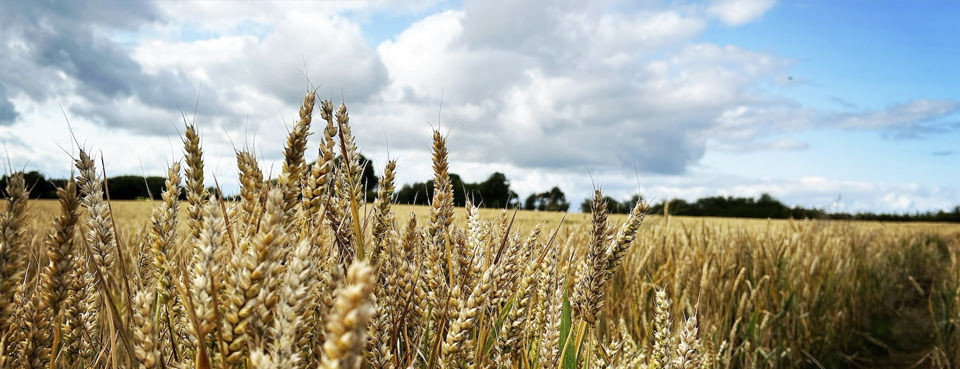
The Artisanal Approach to Making Pasta
When we think of pasta, often the images of bustling Italian kitchens and the fragrant aroma of simmering sauces come to mind. Beyond the familiar grocery store pasta lies a world of artisanal pasta, crafted with dedication, tradition, and an array of unique grains. Let us share with you what we’ve learned about the artisanal approach to pasta making and the diverse grains that transform this staple into a culinary delight.
The Artisanal Approach: Craftsmanship and Tradition
Artisanal pasta is more than just food; it is a manifestation of culture and tradition, often passed down through generations. Unlike mass-produced pasta, which relies on mechanized processes and uniformity, artisanal pasta is characterized by its handmade quality, small-batch production, and the use of high-quality ingredients. Here’s what sets it apart:
- Handmade Techniques: Artisanal pasta is often shaped by hand or with the help of traditional tools. The tactile process of kneading, rolling, and cutting dough creates unique shapes and textures that hold sauces better.
- High-Quality Ingredients: The cornerstone of artisanal pasta is the use of high-quality, often locally-sourced ingredients. This includes a variety of grains that each bring their own unique flavor profiles and nutritional benefits.
- Small-Batch Production + Slow Drying Process: Artisans typically produce pasta in small batches, ensuring attention to detail and consistency. This method allows for careful monitoring of the dough’s moisture content and the drying process. Unlike industrial pasta, which is dried quickly at high temperatures, artisanal pasta is dried slowly at low temperatures. This gentle process preserves the natural flavors and nutrients of the grains and results in pasta that cooks evenly and retains its structure.
The Grains: A Palette of Flavors and Textures
Artisanal pasta makers often experiment with different grains to create pasta with diverse flavors, textures, and nutritional profiles. Here are some of the grains commonly used in artisanal pasta:
- Durum Wheat: The traditional choice for pasta making, durum wheat semolina is prized for its high gluten content and firm texture. Pasta made from durum wheat has a distinct, slightly nutty flavor and a pleasing chewiness.
- Spelt: An ancient grain, spelt has a nutty, slightly sweet flavor and a lighter texture than durum wheat. It is easier to digest and contains more protein and fiber, making it a popular choice for health-conscious pasta lovers.
- Farro: Another ancient grain, farro imparts a hearty flavor to pasta. It is rich in fiber, protein, and nutrients like magnesium and iron. Farro pasta has a robust texture that pairs well with rich sauces.
- Emmer: One of the oldest cultivated grains, emmer has a firm texture and an earthy flavor. It is high in fiber and protein, and its pasta is often darker in color, adding a rustic touch to dishes.
- Kamut: Known for its buttery flavor and firm texture, Kamut (also called Khorasan wheat) is an ancient grain that is higher in protein and certain minerals than modern wheat. Kamut pasta has a golden hue and pairs well with both light and robust sauces.
- Rye: Rye pasta has a distinct, slightly tangy flavor and a denser texture. It is rich in fiber and nutrients like manganese and phosphorus. Rye pasta pairs well with earthy, savory sauces and ingredients.
- Barley: Barley pasta has a mild, slightly sweet flavor and a chewy texture. It is rich in fiber and beta-glucans, which have been shown to help lower cholesterol. Barley pasta works well in soups and with lighter sauces.
- Quinoa: Although technically a seed, quinoa is often used as a grain. Quinoa pasta is gluten-free, high in protein, and has a delicate, slightly nutty flavor. It is a popular choice for those with gluten sensitivities and pairs well with a variety of sauces.
Embracing Artisanal Pasta at Home
Making pasta is a celebration of tradition, craftsmanship, and quality. For those inspired to try artisanal pasta at home, we encourage you to explore the diverse grains that are part of the rich history and culture embedded in this beloved food.